
Patient data management software is becoming an indispensable part of modern clinics. It transforms the way healthcare professionals store, access, and use patient data. In today’s fast-paced healthcare environment, manually maintaining patient data or using outdated systems is slow, error-prone, and inefficient. Clinics need robust software systems that can securely and efficiently process large amounts …
Genomics-based healthcare is transforming the way medicine works, providing physicians with information about each person’s unique genetic makeup. Healthcare providers can analyze a patient’s DNA to understand their susceptibility to specific diseases, their body’s response to treatment, and the best ways to prevent and treat them. Compared to the traditional “one-size-fits-all” model of medicine, this …
Telemedicine is a revolutionary new way of communicating with doctors. Patients can obtain medical advice, diagnoses, and treatment plans via video chat, mobile apps, or web platforms without having to visit a clinic or hospital. New technologies, widespread internet availability, and public demand for more convenient healthcare services drive the rapid development of telemedicine. Telemedicine …
One of the most significant ways in which artificial intelligence (AI) is transforming healthcare is in medical imaging. AI technologies, such as machine learning and deep learning algorithms, analyze X-rays, CT scans, MRIs, and other image data with unprecedented speed and accuracy. Previously, radiologists relied heavily on extensive training and experience to interpret medical images. …
Artificial intelligence (AI) is transforming healthcare in astonishing ways. One of its most significant contributions is the development of AI-powered diagnostic tools. These new systems, which leverage machine learning, deep learning, and large datasets, can analyze medical data faster and more accurately than traditional methods. As healthcare gets more complicated, the need for accurate assessments …
In today’s fast-paced world, wearable health monitoring devices have quickly become an essential part of maintaining excellent health. People design small yet powerful devices like smartwatches, fitness trackers, and health sensors to track daily activities, vital signs, and overall well-being. Wearable devices are gaining popularity and becoming indispensable health tracking tools as more people recognize …
Remote patient monitoring systems are among the most important emerging technologies in modern healthcare, transforming the way patients and healthcare professionals interact daily. These systems utilize smart devices, sensors, and digital platforms to monitor patients’ health even when they are not in the exam room. As healthcare evolves toward more personalized and technology-driven solutions, remote …
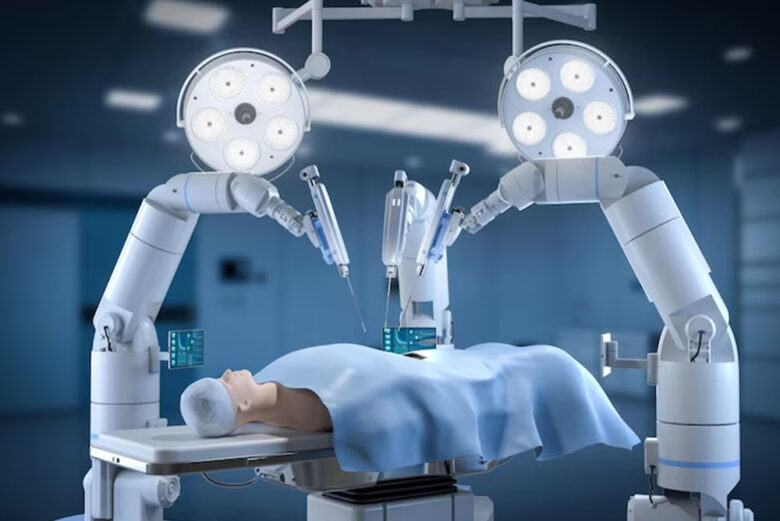
Surgical robots are transforming modern healthcare, making surgical procedures safer and more precise. These high-tech devices combine robotics, computers, and minimally invasive surgery to support surgeons in performing complex procedures. Unlike traditional surgeries that rely solely on human hands, surgical robots enhance surgeons’ skills by giving them greater control, higher precision, and a clearer field …