
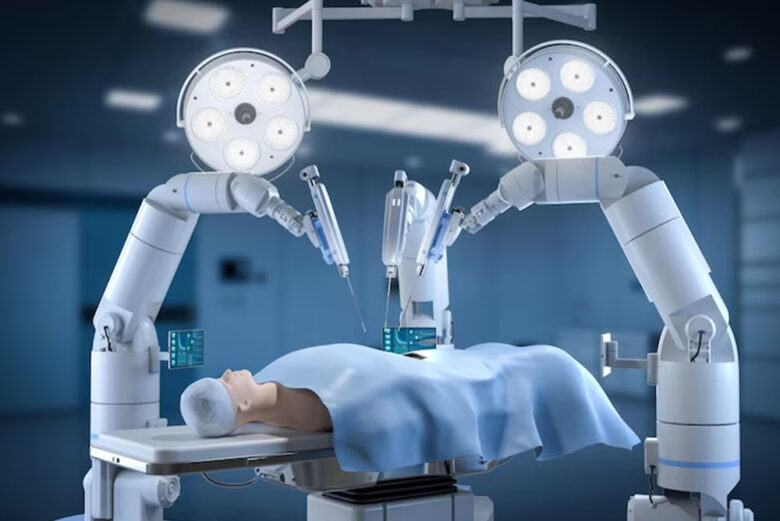
Surgical robots are transforming modern healthcare, making surgical procedures safer and more precise. These high-tech devices combine robotics, computers, and minimally invasive surgery to support surgeons in performing complex procedures. Unlike traditional surgeries that rely solely on human hands, surgical robots enhance surgeons’ skills by giving them greater control, higher precision, and a clearer field of view. A growing number of hospitals and clinics worldwide are using robot-assisted surgery to enhance patient recovery, reduce the risk of complications, and accelerate recovery. This technology represents a significant advancement in surgical treatments, benefiting both patients and physicians.
Improving Precision in Complex Surgeries
One of the key advantages of surgical robots is their ability to improve the precision of complex surgeries. Robots can perform movements that are difficult for the human hand to consistently reproduce. The robotic arms translate the surgeon’s hand movements into smaller, more precise actions, allowing them to operate surgical instruments with remarkable accuracy. This precision is particularly important when operating on nerves, blood vessels, or delicate tissues. Robot-assisted surgery in urology, cardiac surgery, and neurosurgery, for example, has significantly improved surgical precision, reduced the risk of errors, and improved the overall outcome of the procedure.
Less Surgical Pain, Faster Recovery
Surgical robots enable minimally invasive procedures with smaller incisions than traditional open surgery. Smaller incisions cause less tissue damage, less bleeding, and a lower risk of infection. Patients experience less postoperative discomfort and scarring, and recovery time is significantly shorter. Surgical robots make minimally invasive surgery easier to perform, improving the overall patient experience and accelerating the return to normal activities. One reason for the increasing popularity of robotic systems in many medical fields is the reduction in the invasiveness of surgeries.
Reducing Human Error and Enhancing Safety
Safety is paramount in every operation, and surgical robots can reduce human error. When surgeons are fatigued, experience hand tremors, or experience a decline in fine motor skills, they can struggle to complete long or complex surgeries. Robotic systems mitigate these risks by providing stability and precision, ensuring consistently accurate movements throughout the procedure. Many robotic systems also feature real-time imaging, enhanced visualization, and automated monitoring, allowing surgeons to make informed decisions during surgery. The combination of human experience and robotic assistance can significantly reduce the risk of problems and errors, thereby improving overall patient safety.
Sharper Vision and Easier Operation
Surgical robots, equipped with high-definition cameras and advanced imaging technology, help surgeons observe the surgical field more clearly. These technologies allow surgeons to observe tissues and structures that are difficult to see with the naked eye in three dimensions and extend the range of vision. A clearer field of view allows for more precise cutting, suturing, and placement of medical instruments. The robotic arms can also reach hard-to-reach areas within the body, enabling surgeons to perform operations that are difficult or even impossible with conventional methods. This capability expands surgical possibilities and improves the success rate of complex surgeries.
Surgical Training and Skill Development
The use of surgical robots has also changed the way surgeons learn and strengthen their skills. Robotic systems are often equipped with simulation modules and virtual training environments, allowing surgeons to safely practice their skills before performing actual surgeries. These training tools help doctors and nurses build confidence, strengthen their skills, and learn how to use robots in the operating room. As surgeons become more proficient in using robotic platforms, patient outcomes improve, and hospitals can offer more, safer, and more efficient specialized surgeries.
Reducing Postoperative Complications
Surgical robots minimize the risk of postoperative complications, which is crucial for patient care. These technologies enable surgeries to be performed with extremely high precision and minimal damage to surrounding tissue. This reduces the risk of infection, bleeding, and other complications. Patients who undergo robot-assisted surgery typically have shorter hospital stays, heal faster, and return to the hospital less often. The combination of precision, clearer vision, and minimally invasive techniques makes surgeries safer and more predictable, benefiting both patients and physicians.
Increasing the Number of Surgeries
Robot-assisted surgery enables more surgeries to be performed safely and successfully. Robots can now assist with procedures that previously required large incisions or were extremely risky. Robotic technology has significantly improved surgical outcomes in fields such as urology, gynecology, cardiothoracic surgery, and general surgery. Surgical robots enable more patients to access innovative treatments and the care they need, simplifying previously difficult or dangerous surgeries.
The Future of Surgical Robots
Thanks to ongoing technological advances, the future of surgical robots looks bright. Thanks to artificial intelligence, machine learning, and more advanced imaging technologies, robotic platforms have seen significant improvements in decision-making, precision, and efficiency. These developments will enable the safe performance of more complex surgeries. They may also lead to surgical systems that can operate independently or with minimal assistance. As research progresses, surgical robots are expected to become more affordable, accessible, and widely used. This will change the way healthcare is delivered in the future.
Conclusion
Surgical robots improve healthcare by making treatments more precise, safe, and minimally invasive. These modern systems reduce the risk of human error, provide clearer images, support surgeon training, and reduce the risk of postoperative complications. Robotics makes healthcare easier and more efficient by enabling more types of surgeries and procedures to be performed remotely. Thanks to ongoing advances in surgical robotics, complex surgeries will be safer, patients will recover faster, and treatment outcomes will be better. The use of robots in surgery is a significant advancement in modern medicine.
FAQs
1. What is a surgical robot?
A surgical robot is a high-tech device that allows surgeons to perform medical procedures more precisely and with greater control and to observe the surgical process more clearly.
2. Is robotic surgery safer than traditional surgery?
Robot-assisted surgery may be safer because it is more precise, less invasive, and involves fewer human errors. However, the outcome also depends on the surgeon’s skill level.
3. Can surgical robots help patients recover faster?
Yes, robot-assisted minimally invasive surgery typically requires smaller incisions, less pain, and a faster recovery.
4. Can surgical robots perform complex surgeries?
Yes, robotic systems enable surgeons to perform complex surgeries in areas difficult to reach with conventional methods.
5. Will robots replace humans in surgery?
No. Surgical robots can support surgeons and enhance their skills, but they cannot replace experienced medical specialists.