
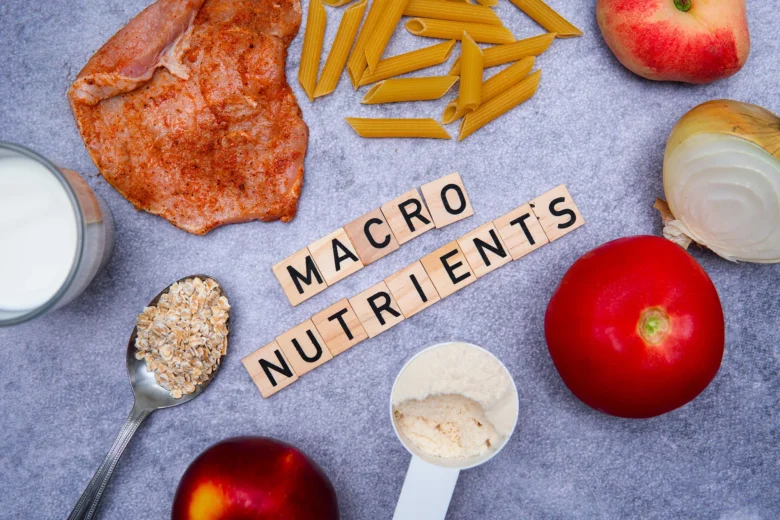
Nutrition labels can feel like a foreign language. Between calories, percentages, and ingredient lists, knowing what you are actually putting into your body can be confusing. However, simplifying nutrition often comes down to understanding three key components: carbohydrates, proteins, and fats.
These components are collectively known as macronutrients, or “macros.” Unlike micronutrients (vitamins and minerals), which your body needs in small amounts, macronutrients are required in larger quantities to provide energy and maintain bodily functions. Understanding how they work together is the first step toward building a sustainable, balanced diet that fuels your lifestyle rather than hindering it.
Carbohydrates: The Body’s Primary Fuel Source
Carbohydrates often get a negative reputation in diet culture, but they are essential for a healthy body. They are your body’s preferred source of energy. When you eat carbs, your body breaks them down into glucose (sugar), which enters your bloodstream and fuels your cells, tissues, and organs.
Choosing Quality Over Quantity
Not all carbs are created equal. They are generally categorized into two types:
- Simple Carbohydrates: These digest quickly and can spike blood sugar. While they provide a burst of energy, it is often short-lived. Sources include candy, soda, and refined breads.
- Complex Carbohydrates: These contain fiber and take longer to digest, providing a steady stream of energy. Healthy sources include whole grains (oats, brown rice, and quinoa), fruits, vegetables, and legumes.
Prioritizing complex carbs ensures you stay full longer and avoid the dreaded afternoon energy crash.
Proteins: The Building Blocks
Protein is crucial for growth, repair, and maintenance. Every cell in your human body contains protein. It helps repair muscle tissue after a workout, carries oxygen through your blood, and aids in digestion by creating enzymes.
Best Sources of Protein
To get the most out of your protein intake, aim for variety. Lean options are excellent for keeping saturated fat intake low while still getting the nutrients you need.
- Animal-based sources: Chicken breast, turkey, fish, eggs, and Greek yogurt.
- Plant-based sources: Tofu, tempeh, lentils, chickpeas, nuts, and seeds.
Including a source of protein at every meal can help regulate your appetite and support muscle health, which is vital for a healthy metabolism.
Fats: Essential for Brain and Body Health
For years, “low-fat” was the gold standard of dieting. We now know that dietary fat is essential for optimal health. Fats support cell growth, protect organs, and help the body absorb vital nutrients like vitamins A, D, E, and K.
Understanding Healthy Fats
The key is knowing which fats to include on your plate:
- Unsaturated Fats: These are considered heart-healthy. You can find them in avocados, olive oil, nuts, and fatty fish like salmon.
- Saturated and Trans Fats: These should be limited. Saturated fats are found in red meat and full-fat dairy, while trans fats (often found in processed fried foods) should be avoided as much as possible to protect heart health.
Balancing Macronutrients for Optimal Health
There is no single “perfect” ratio of macronutrients that works for everyone. Your ideal balance depends on your goals, activity level, and genetics.
Finding Your Ratio
A standard starting point recommended by health organizations suggests the following daily calorie breakdown:
- Carbohydrates: 45–65%
- Protein: 10–35%
- Fats: 20–35%
If you are an endurance athlete, you might lean toward the higher end of carbohydrate intake. Prioritize protein and healthy fats if your focus is on building muscle or managing blood sugar. The goal is to eat a variety of whole foods across all three categories to ensure you feel energized and satisfied.
Start Your Journey to Better Health
Nutrition doesn’t have to be complicated. By focusing on whole, unprocessed sources of carbohydrates, proteins, and fats, you provide your body with the tools it needs to thrive. Start small—perhaps by adding a serving of vegetables to your dinner or swapping refined grains for whole grains—and listen to how your body responds. A balanced diet is not about restriction; it is about nourishment.
FAQs
1. What is the difference between macronutrients and micronutrients?
Macronutrients (carbs, fats, and proteins) provide energy and are needed in large amounts. Micronutrients (vitamins and minerals) are essential for disease prevention and body function but are needed in much smaller quantities.
2. Will eating fat make me fat?
No, eating dietary fat does not directly translate to body fat. Gaining weight is generally a result of consuming more calories than you burn. Healthy fats are actually very satiating and can help prevent overeating.
3. Do I need to count macros to be healthy?
Not necessarily. While tracking macros can be a helpful tool for specific fitness goals, many people thrive simply by focusing on portion control and prioritizing whole foods at every meal.
4. Can I get enough protein on a vegetarian diet?
Absolutely. By combining different plant sources like beans, lentils, quinoa, and soy products, vegetarians can easily meet their daily protein requirements.
5. Are low-carb diets better for you?
Low-carb diets work well for some people, but carbs are the brain’s preferred fuel source. Drastically cutting carbs can lead to fatigue and brain fog. It is usually more effective to focus on the quality of carbohydrates rather than cutting them out entirely.