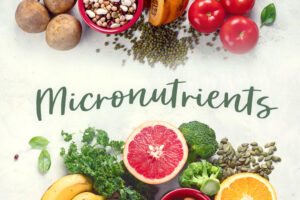
A balanced vegan diet provides all the nutrients your body needs without consuming animal products. Plant-based diets are central to veganism and, when properly combined, can be very healthy. However, you should ensure you get enough protein, vitamins, minerals, and healthy fats. A balanced vegan diet can make you healthier and more energetic and reduce your risk of chronic diseases,, such as cardiovascular disease, diabetes, and obesity. The first step to staying healthy and using a plant-based diet effectively is understanding the principles of a balanced vegan diet.
Ensure Adequate Protein Intake
Protein is an essential macronutrient, crucial for muscle repair, tissue growth, and maintaining a healthy immune system. When following a vegan diet, you can only get protein from plant foods such as beans, lentils, tofu, fermented black beans, gluten, nuts, and seeds. By consuming a variety of protein sources throughout the day, you can get all the essential amino acids. Adequate protein intake is goodbeneficial muscle growth, keeps your metabolism running, and helps you feel full, which aids in weight loss. To maintain a balanced vegan diet and give your body the energy it needs, you should pay attention to the sources and amounts of protein you consume.
Include a Variety of Fruits and Vegetables
Fruits and vegetables are an important part of a vegan diet. They provide essential vitamins, minerals, fiber, and antioxidants. Eating a variety of brightly colored fruits and vegetables helps you get all the nutrients you need for good heaoptimal Spinach, kale, and broccoli are all leafy greens rich in calcium, iron, and vitamin K. Brightly colored fruits, such as berries, oranges, and bell peppers, are rich in vitamin C, antioxidants, and other phytonutrients. Adding a variety of fruits and vegetables to your diet is not only good for your health but also makes food more delicious and meals more enjoyable, making it easier to stick to a vegetarian diet.
Ensure Adequate Calcium and Vitamin D
Calcium and vitamin D are essential for maintaining strong bones. Fortified plant-based milk, tofu, almonds, chia seeds, and leafy greens are good souexcellent of calcium for vegetarians. Vitamin D can be obtained by eating fortified foods or through sunlight. Vitamin D helps the body absorb calcium. Adequate amounts of these nutrients help maintain strong bones and prevent osteoporosis and other related problems. If you want to follow a vegetarian diet to promote bone health and overall well-being in the long term, be sure to pay attention to your sources of calcium and vitamin D.
Ensure Adequate Iron Intake
Iron is essential for the production of healthy red blood cells and oxygen transport. Lentils, chickpeas, beans, tofu, quinoa, pumpkin seeds, and spinach are all good souexcellent of plant-based iron. However, plant-based iron is less easily absorbed than animal-based iron. To promote iron absorption, you can eat iron-rich foods along with foods rich in vitamin C, such as citrus fruits or bell peppers. Adequate daily iron intake can prevent fatigue, anemia, and a weakened immune system. A balanced vegan diet carefully selects iron-rich foods to maintain energy and good health.
Supplement with Healthy Fats
Healthy fats are crucial for brain function, hormone synthesis, and the absorption of fat-soluble vitamins. Avocados, almonds, various seeds, olives, and vegetable oils sucoils, such as olive or flaxseed oil,ellent fat sources for vegans. Flaxseed, chia seeds, walnuts, and algae supplements are good souexcellent of omega-3 fatty acids, which are very beneficial for the heart and brain. Adding healthy fats to a vegan diet ensures you have sufficient energy and helps maintain long-term physical and mental health while maintaining nutritional balance.
Getting Enough Vitamin B12
Vitamin B12 is essential for the production of DNA and red blood cells and for maintaining healthy nerves. Because plant foods are naturally deficient in vitamin B12, vegans must consume fortified foods or take supplements to get enough vitamin B12. Fortified plant-based milks, cereals, nutritional yeast, and vitamin B12 supplements are all good sources of vitamin B12. This vitamin is crucial for a healthy vegan diet because it helps prevent anemia, fatigue, and neurological disorders. Properly planning your vitamin B12 intake can ensure a healthy and sustainable vegan lifestyle in the long run.
Keep a Record of All Nutrients Ingested
To maintain a balanced vegan diet, you must pay attention to your overall nutritional intake and ensure you get all the necessary vitamins and minerals. Tracking your daily intake of protein, iron, calcium, vitamin D, vitamin B12, zinc, and omega-3 fatty acids helps prevent deficiencies. Planning meals and snacks with a variety of whole foods makes it easier to achieve a balanced diet. By paying attention to your nutritional needs, you can reap all the health benefits of a vegan diet without sacrificing your health. Regular checkups and consultations with a nutritionist can also help you better adapt to a balanced vegan lifestyle.
Ensuring a Balanced Vegan Diet
To create a balanced meal plan, ensure that each meal contains a variety of macronutrients, vitamins, and minerals. A typical balanced vegan meal might include lentils or tofu as a protein source, quinoa or brown rice as a source of complex carbohydrates, plenty of brightly colored vegetables, and nuts or seeds as a source of healthy fats. By varying your meals weekly, you can get a wider range of nutrients. Planning your meals in advance also helps you control portion sizes and avoid relying on processed vegan foods that may contain nutritional deficiencies. Meal planning and preparation make it easier to adhere to a healthy, balanced, and delicious vegan diet.
Conclusion
Following a healthy vegan diet is certainly possible with careful preparation and attention to nutrient intake. Vegans can meet their nutritional needs and maintain their overall health by consuming adequate protein, a variety of fruits and vegetables, healthy fats, and essential vitamins and minerals, including calcium, vitamin D, iron, and vitamin B12. Keeping a food diary, creating a balanced meal plan, and making well-informed food choices will help you maintain your long-term health and prevent nutritional deficiencies. A well-planned vegan diet not only helps maintain your physical health but also increases your energy, mental clarity, and overall quality of life. Understanding and adhering to a balanced vegan lifestyle can be both enjoyable and very beneficial.
FAQs
1. Can a vegan diet provide all the nutrients you need?
Yes, a well-balanced vegan diet, with a variety of plant-based foods and vitamin B12 supplements, can provide you with all the nutrients you need.
2. What are good sources of plant-based protein?
Lentinan, beans, tofu, tempeh, gluten, nuts, seeds, and whole grains are all excellent protein sources for vegans.
3. How can vegans acquire enough vitamin B12?
You can get vitamin B12 through fortified foods (such as plant-based milks and cereals) or supplements.
4. Should vegans watch their iron intake?
Yes, plant-based iron is less well absorbed; therefore, eating iron-rich foods along with vitamin C-rich foods helps the body absorb iron better.
5. How do I maintain a balanced vegetarian diet?
Make sure you eat a varied diet with fruits, vegetables, proteins, whole grains, healthy fats, and fortified foods, and track your intake.