
In the rush of modern life, finding time to eat can feel impossible. Between work, errands, and family responsibilities, you might skip meals or grab whatever is nearby—often unhealthy options. Quick snacks are not just about convenience; they help you stay energized, curb hunger between meals, and avoid late-day cravings that can derail your health and focus. The good news is that making tasty, satisfying snacks doesn’t need to be complicated or time-consuming. In this article, we’ll explore practical solutions, easy recipes, and simple strategies to make quick snacks for even the busiest days.
Stock Up on Essential Ingredients
The first step to making quick snacks is having the right ingredients ready. If your pantry, fridge, or freezer is well-stocked, snack prep can take just minutes.
Start by keeping a selection of pantry staples: nuts, seeds, whole-grain crackers, and dried fruits. These ingredients are versatile, require no cooking, and provide a beneficial balance of protein, healthy fats, and fiber.
For the fridge, fresh fruits like apples, grapes, or berries, and vegetables such as carrots, cucumbers, and bell peppers are perfect. Pair them with hummus, yogurt, or cheese for an instant snack.
The freezer is ideal for storing fruits, veggies, or even small portions of cooked grains. Frozen berries, for example, can be blended into quick smoothies, while frozen edamame or peas can be lightly steamed for a protein-rich snack in minutes.
Tip: Organize your ingredients so you can see everything at a glance. This reduces decision fatigue and speeds up snack prep.
Prepare Snacks in Advance
Busy days leave little room for last-minute cooking. Preparing snacks ahead of time ensures you always have something ready when hunger strikes.
Batch prep options include:
-
You can cut vegetables into sticks and store them in airtight containers.
-
You can also portion nuts, seeds, or trail mix into small bags or jars.
-
You can also prepare energy balls ahead of time by combining oats, nut butter, and honey.
By prepping once or twice a week, you save daily prep time and reduce the temptation to reach for less healthy snacks.
Example: On Sunday, chop carrots, celery, and bell peppers, and store them in water-filled containers in the fridge. They’ll stay crisp all week and can be paired with dips instantly.
Tip: Label containers with dates to keep track of freshness. This prevents waste and ensures your snacks remain safe and tasty.
Use No-Cook Recipes for Instant Snacks
Not every snack needs cooking. Many quick options require zero heat and minimal assembly, perfect for busy mornings or mid-afternoon hunger.
No-cook snack ideas:
-
Nut butter and fruit: Spread almond or peanut butter on apple slices or banana pieces.
-
Yogurt parfaits: Layer yogurt with granola and berries for a protein-packed treat.
-
Cheese and crackers: Combine whole-grain crackers with slices of cheese for a balanced, crunchy snack.
How this helps: These snacks are ready in under five minutes and provide energy without needing to turn on the stove or oven. They are perfect for home, office, or even travel.
Tip: Keep grab-and-go snack jars in the fridge for mornings when you’re in a rush.
One-Bowl or One-Container Snacks
The fewer dishes you use, the faster your snack prep and cleanup. One-bowl or one-container snacks are practical, especially for those balancing multiple responsibilities.
Examples include:
-
Trail mix in a jar: Combine nuts, seeds, dried fruit, and a few dark chocolate chips.
-
Overnight oats: Mix oats, milk (or plant-based milk), and fruit in a single container. Refrigerate overnight for a ready-to-eat snack.
-
Veggie and hummus cups: Layer hummus at the bottom, then top with cut vegetables in a single cup or jar.
How this helps: Minimal dishes save time, make snacks portable, and reduce post-snack cleanup.
Tip: Invest in reusable containers with compartments for added convenience.
Incorporate Protein-Rich Snacks
Protein is key for keeping you full longer and maintaining energy during busy days. Quick protein snacks can stabilize your blood sugar and prevent cravings that lead to overeating.
Easy protein options:
-
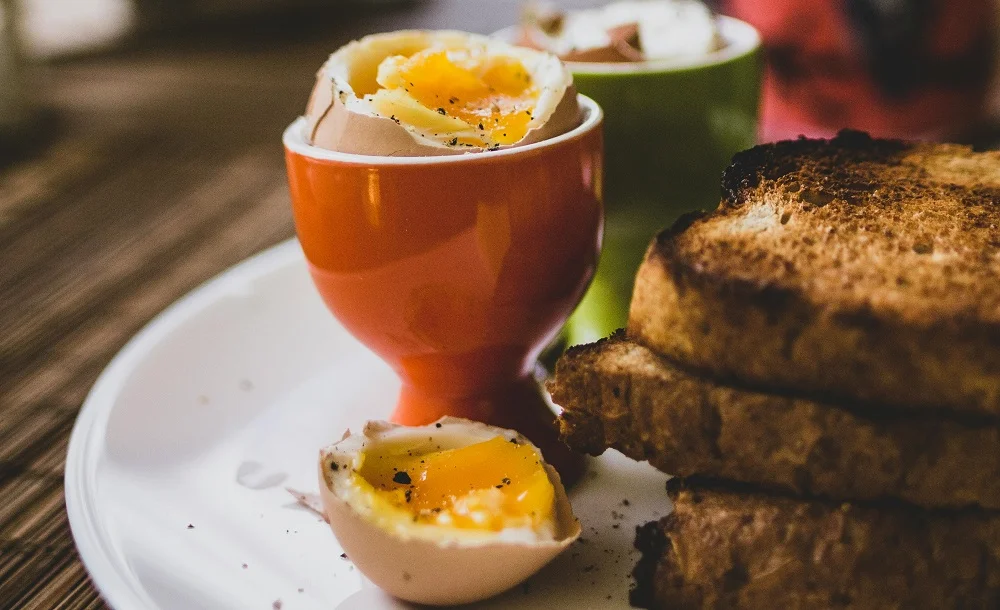
You can prepare hard-boiled eggs in advance and store them in the refrigerator.
-
You can also pair Greek yogurt or cottage cheese with fruit or nuts.
-
You can also include edamame, chickpeas, or roasted lentils in your diet.
-
You can also pack small portions of leftover chicken, turkey, or tofu.
Example: Pack a small container of roasted chickpeas with a few carrot sticks. This snack provides fiber, protein, and crunch in minutes.
Tip: Rotate your protein snacks to prevent boredom. Variety keeps you excited about snacking without extra effort.
Make Quick Energy-Boosting Drinks
Sometimes a snack isn’t solid food—it’s a drink that fuels you. Smoothies and shakes are quick, versatile, and can be packed with nutrients.
Simple ideas:
-
Fruit smoothie: Blend frozen berries, banana, and yogurt.
-
Green smoothie: Mix spinach, apple, cucumber, and almond milk.
-
Protein shake: Add protein powder to milk or water with a spoonful of nut butter.
How this helps: Smoothies can be made in under five minutes, are portable, and allow you to consume fruits, veggies, and protein together.
Tip: Pre-portion smoothie ingredients in freezer bags. Blend quickly in the morning for a fast snack or mini-meal.
Use Leftovers Creatively
Busy days often leave little time for cooking, but leftovers can become quick snacks with minimal effort.
Ideas for turning leftovers into snacks:
-
Roasted vegetables can be eaten cold or warmed as a side with hummus.
-
Small pieces of cooked chicken or tofu can be added to wraps or salads.
-
Rice or quinoa can be combined with beans and a drizzle of olive oil for a filling mini-bowl.
How this helps: Repurposing leftovers reduces food waste, saves money, and keeps snack prep time to a minimum.
Tip: Store leftovers in snack-sized portions, so you can grab them without reheating large quantities.
Keep Snacks Portable
Finding portable snacks is a major challenge for busy people. Portable snacks prevent hunger from slowing you down during errands, commutes, or work.
Portable snack options:
-
You can store energy balls or protein bars in small containers as portable snacks.
-
You can also opt for fresh fruit such as bananas, apples, or grapes.
-
Store trail mix or mixed nuts in resealable bags.
Example: Keep a small snack bag in your work bag or car. This ensures you never go long periods without food, which can cause fatigue or poor food choices.
Tip: Choose snacks that won’t spoil quickly, especially if you don’t have access to refrigeration.
Avoid Common Mistakes
Even with the best intentions, busy people can stumble with snack prep. Avoid these common mistakes:
-
Buying overly processed snacks: Prepackaged chips or candy can be quick but leave you feeling hungry shortly after.
-
Skipping portion control: Even healthy snacks can add up in calories if you eat large amounts at once.
-
Neglecting protein or fiber: Snacks with only sugar can spike energy temporarily but lead to crashes.
-
Not prepping ahead: Waiting until hunger strikes can lead to poor choices or skipping snacks altogether.
Tip: Plan snacks like meals. Treat them as small but important fuel stops rather than afterthoughts.
Conclusion
Making quick snacks for busy days is about preparation, simplicity, and creativity. By stocking the right ingredients, prepping ahead, and using no-cook or one-container methods, you can enjoy healthy, satisfying snacks in minutes. Incorporating protein, using leftovers, and keeping snacks portable ensures you stay energized, avoid unhealthy temptations, and save time every day. With these practical strategies, even the busiest schedules can include quick, nourishing snacks that make your day run smoother.
FAQs
1. How can I make snacks quickly without cooking?
Focus on no-cook options like fruit with nut butter, yogurt parfaits, cheese and crackers, or pre-portioned trail mix. Keep ingredients handy and ready to assemble.
2. What are some high-protein snacks I can prepare fast?
Hard-boiled eggs, Greek yogurt, cottage cheese, roasted chickpeas, and leftover meats or tofu can be prepped in advance and eaten quickly.
3. How do I keep snacks fresh for the whole week?
Store pre-cut vegetables in water-filled containers, portion nuts in jars, and use airtight containers for leftovers. Label them with dates to track freshness.
4. Can smoothies replace solid snacks?
Yes, smoothies can be a convenient, portable snack, especially if they include protein, fruits, and vegetables. Pre-portion ingredients in freezer bags for even faster prep.
5. How do I avoid unhealthy snacking when busy?
Plan and prep snacks in advance, keep healthy options visible, and avoid buying processed foods that are easy to grab on impulse. Rotate options to prevent boredom.